
BIOS update improve a used GPU performance
Updating the BIOS of a used GPU can, in some cases, improve its performance, but the results vary depending on the specific card model and the nature of the update. The BIOS (Basic Input/Output System) is the firmware that controls the fundamental operations of the graphics card, including clock speeds, voltage regulation, and fan settings. Manufacturers occasionally release BIOS updates to enhance stability, address bugs, or unlock additional performance capabilities. For users dealing with used GPUs, applying a BIOS update may offer slight performance gains, but it is important to understand the potential risks and benefits before proceeding.
One of the main reasons a BIOS update can improve the performance of a used GPU is by introducing better compatibility with newer drivers or optimizing power management settings. In some instances, manufacturers release BIOS revisions that increase the power limit or adjust the card’s voltage and clock speed parameters, allowing the GPU to sustain higher boost frequencies for longer periods. This can result in slightly better frame rates and smoother performance in graphics-intensive applications. Additionally, BIOS updates can sometimes resolve stability issues, reducing crashes or artifacts that may have been present with older firmware versions.
However, BIOS updates do not always guarantee significant performance improvements. The performance gains are usually minor and may not be noticeable during regular usage. For used GPUs, the effectiveness of a BIOS update also depends on the card’s condition. A heavily used GPU that has experienced thermal degradation or VRAM wear may not benefit much from a firmware upgrade. Moreover, flashing the BIOS incorrectly or using an incompatible version can permanently damage the card, rendering it unusable. This makes it essential to verify the compatibility of the BIOS file with the specific used gpu model before proceeding with the update.
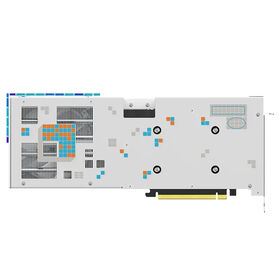
Can a BIOS update improve a used GPU performance?
For enthusiasts seeking to extract more performance from a used GPU, BIOS modding is another option. Some users modify the BIOS to increase power limits or unlock higher memory clock speeds. While this can lead to noticeable performance boosts, it also increases the risk of instability, overheating, or bricking the GPU. Therefore, modding should only be attempted by experienced users who understand the associated risks.
Shop online for wholesale used graphic card? Global Sources has a full-scale list of wholesale used graphic card products at factory prices featured by verified wholesalers & manufacturers from China, India, Korea, and other countries to satisfy all the requirements! When it comes to finding reliable manufacturers and distributors of used graphic card, it is important to look for those who provide comprehensive technical specifications and performance benchmarks for their products.
These specifications will cover important information like the Graphics Processing Unit (GPU) model, base and boost clock speeds, Video Random Access Memory (VRAM) capacity and type, memory bus width, and interface compatibility. Additionally, performance benchmarks will help to give you an idea of the card’s capabilities when it comes to graphics-intensive tasks like gaming and rendering. Taking the time to review these details will allow you to make an informed decision about which used graphic card will be best suited to your needs and system compatibility.


