Printed Circuit Board Manufacturers
The use of Printed Circuit Boards (PCB) in electronic products has increased exponentially in recent years. This has led to a rise in electronic waste, known as e-waste, which can be very hazardous for human health and the environment. However, PCB recycling processes are gaining ground and are helping to mitigate the impact of e-waste on the earth. PCBs are a complex combination of various chemicals, metals and glass fibers. As such, recycling them requires a delicate balancing act between technological efficiency and ecological stewardship.
The specialized materials used in the manufacturing of a pcb board manufacturers are difficult to recycle and reuse. These include solvents, epoxy, lead and halogen compounds. These substances can cause environmental and health issues, and their elimination from a PCB’s design is critical for its long-term success. Additionally, e-waste contains heavy metals like lead and cadmium, which can have negative impacts on the environment, as well as toxins like mercury and bromine. To protect the environment and human health, it is essential to find efficient recycling processes for these toxic metals.
Copper is an important material in the construction of a PCB, and it is often recycled as a byproduct of the manufacturing process. It is possible to recover copper from PCBs through a variety of techniques, including edge trim recycling and the electrolytic plating process. Using these methods, the copper can be reused for production of new electrical components and other electronics. This is an excellent example of the interplay between technological efficiency and ecological stewardship.
Can Printed Circuit Board Manufacturers Be Recycled?
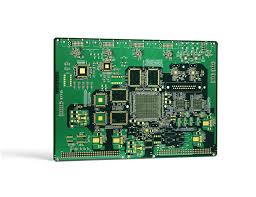
Recycled PCBs are typically made of different materials, and they may contain a wide range of electrical components such as capacitors, motors, batteries, plugs, semiconductors, LEDs and fasteners. This complexity makes it difficult for recyclers to remove all of the components from a single board. The process is labor-intensive, and it takes a high level of skill to dismantle them in a way that maximizes the extraction of useful materials.
To make the process more efficient, companies must sort the PCBs into smaller sections to make it easier to remove specific components. The process also involves drilling the boards and loosening them to allow for easy removal of the various components. Then, the recycler can use a magnetic separator to pull out ferromagnetic materials from non-magnetic ones. This process also helps to avoid contaminating the rest of the materials during recycling.
Currently, most of the copper in a PCB comes from the edge trim. This is the excess material that is trimmed from the edges of the boards. This is a valuable resource for recycling because it prevents copper from ending up in landfills. Other metals, such as silver and gold, can also be extracted from the waste. However, the process can be expensive and time-consuming, so more research is needed to improve its effectiveness. In addition, the process requires a great deal of energy and produces a lot of pollutants. New techniques, such as electrochemical processing and bioleaching, can potentially reduce the need for these resources and minimize pollution.