
environmental considerations in Pcb assembly companies
Environmental considerations in PCB assembly companies have become increasingly important in recent years, as the electronics industry faces growing pressure to minimize its ecological footprint. PCB assembly processes involve the use of various materials and chemicals, as well as energy consumption, which can have significant environmental impacts if not managed responsibly. Let’s explore some of the key environmental considerations in PCB assembly companies.
One major concern is the proper handling and disposal of hazardous materials used in the assembly process. Many of the chemicals and substances employed in PCB assembly, such as solder paste, flux, and cleaning agents, contain toxic or hazardous components that can harm the environment if not managed correctly. PCB assembly companies must adhere to strict regulations and guidelines governing the handling, storage, and disposal of these materials to prevent pollution and minimize environmental risks.
Furthermore, energy consumption is a significant environmental consideration in PCB assembly. The operation of equipment such as pick-and-place machines, soldering ovens, and inspection systems requires considerable energy input. pcb assembly companies can mitigate their environmental impact by investing in energy-efficient equipment, optimizing production processes to reduce energy usage, and implementing energy management strategies such as scheduling equipment operation during off-peak hours.
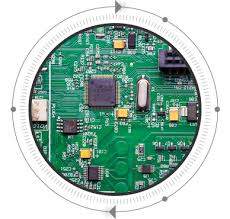
What are the environmental considerations in Pcb assembly companies?
Another environmental consideration is waste generation and management. PCB assembly processes can generate various types of waste, including scrap PCBs, solder dross, and chemical waste. Proper waste management practices are essential to minimize the environmental impact of PCB assembly operations. This includes implementing recycling programs to recover valuable materials from waste streams, as well as ensuring that hazardous waste is disposed of safely and in compliance with regulations.
Moreover, water usage is a significant environmental consideration in PCB assembly companies, particularly in processes such as cleaning and rinsing. Water is often used as a solvent to remove flux residues and other contaminants from assembled PCBs. PCB assembly companies can reduce their water consumption and environmental impact by investing in water-efficient cleaning equipment, implementing closed-loop water recycling systems, and using environmentally friendly cleaning agents that minimize the need for water-intensive rinsing processes.
Additionally, emissions of volatile organic compounds (VOCs) and other air pollutants from PCB assembly processes can contribute to air pollution and pose health risks to workers and surrounding communities. PCB assembly companies must implement measures to control and mitigate emissions, such as installing pollution control devices on equipment, optimizing ventilation systems to capture and treat air emissions, and using low-VOC or VOC-free materials and processes wherever possible.
Furthermore, transportation and logistics also play a role in the environmental footprint of PCB assembly companies. The sourcing of raw materials, components, and equipment, as well as the distribution of finished products, can contribute to greenhouse gas emissions and other environmental impacts associated with transportation. PCB assembly companies can minimize their carbon footprint by optimizing supply chain logistics, using eco-friendly packaging materials, and implementing transportation strategies to reduce fuel consumption and emissions.
In conclusion, environmental considerations are of paramount importance in PCB assembly companies. By implementing responsible management practices, investing in sustainable technologies, and complying with regulations and standards, PCB assembly companies can minimize their environmental impact and contribute to a more sustainable and eco-friendly electronics industry. As awareness of environmental issues continues to grow, so too will the importance of integrating environmental considerations into PCB assembly processes and operations.