
Rigid Flex
Rigid flex circuits offer both rigidity and flexibility in one board, offering a design solution for a variety of applications. The combination of rigid PCBs with flex circuits can reduce weight and space, which is particularly useful in portable electronic devices that must fit into small, lightweight enclosures. Rigid-flex circuits also allow for greater flexibility during manufacturing and assembly processes, which can save time and money.
The most common use of rigid flex is in consumer electronics. These include phones, tablets, and digital cameras. They require multiple components on a compact form factor and must be durable enough to stand up to a variety of environmental conditions. Rigid flex provides the reliability of standard rigid PCBs, while allowing for a thinner, lighter package and more flexible connections.
They also find use in medical devices, such as pacemakers and imaging systems. This allows for the creation of more compact, lightweight designs with reliable electrical connections that improve patient outcomes. They are also used in aerospace and military systems, where they must withstand harsh environments and mechanical stresses.
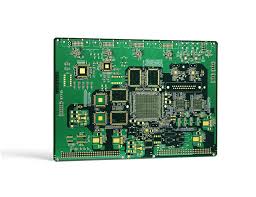
What Industries Commonly Use Rigid Flex?
A high-quality rigid-flex circuit board will have a stiffener layer that is plated to the base layer and then overlaid with a dielectric film. The stiffener protects the flex circuits from the stresses of bending and provides a stable structure for the assembly process. The stiffener can be made from FR-4, flex circuits, or a mix of rigid and flexible material. A stiffener is particularly important for large, thick flex areas. A stiffener should be sized to accommodate the minimum bend radius for the flex area. For example, a two-layer rigid-flex circuit with a minimum of six-inch traces should have a minimum bend radius of 12 inches to avoid stress on the conductors.
Rigid-flex circuits can be designed with a single layer of copper or more layers. The flexible areas of the circuit should be populated with smaller components, to limit the number of interconnections and reduce the potential for failure. The stiffener layer is essential to the stability of a rigid-flex circuit board, and it should be positioned at the most critical points of the circuit. A stiffener can be a thin film of high-reliability polyimide or FR-4.
When designing a rigid-flex circuit, it is critical to involve the fabricator early in the process. This helps to ensure that all possible fabrication and assembly requirements are understood, and it can help prevent issues such as thermal problems or unforeseen stress-related failures in the flexible areas of the circuit board.
These issues can lead to costly downtime and repairs, which can undermine the credibility and reputation of the designer and manufacturer, as well as the user of the equipment. It is also critical to follow best practices for rigid-flex circuit design. This includes avoiding using pads and vias in the flexible areas, routing traces parallel to the bend line, and making sure that all rigid and flex components have a minimum thickness of three times the thickness of the rigid portion.